
Subscribed Member Course

Purchase your membership today to access exclusive member-only content below!

Duration

Valid for 1 year from purchase date

Price

$30 annually*

*Auto-renewed unless preference is changed

Purchase now!

Empty space, drag to resize

Designed and built for everyone

Video interactions, note-taking, interactive ebooks, self-assessment, certificates, and much more.
Taking online classes has been a major benefit to me. The instructors are supportive and responsible in returning emails.

Helen Red

I would like to thank my instructors for their continuous support. The courses were challenging and well laid out.

Josh Stobbard

Welcome to YOUR

Exclusive Subscribed Member's Only Course

Quick Links

TNO Discount Code 

TNO26IECP

Training Discount Code 

IECPMarch26

Letter Request

Member Certificate

Subscription Preference

Child-Led Exploration= Meaningful Learning

Messy Play, Big Learning: Planning for Intentional Exploration in the Sensory Table

Empty space, drag to resize

TNO 2026

Subscribed IECP Member only discount code:

TNO26IECP

*this code is ONLY available to current subscribed IECP members- do not share the code with anyone else. 

Write your awesome label here.
How to guide:

Download your IECP Certificate

Watch the short video to know how to download your certificate. Then click the button below to get to your own IECP certificate. 
Empty space, drag to resize
How to Request:

Professional Contribution Request Form

Watch the short video to know how to complete the form for a DCF approved letter.
Write your awesome label here.

Relax, Reflect, & Reimagine

The Learning Lounge

Welcome to The Learning Lounge—a space created just for early educators to relax, reflect, and reimagine your daily teaching practice.
Write your awesome label here.
Each month, you’ll find fresh content filled with new strategies, inspiring ideas, and practical resources you can use right away with young children. Whether you’re looking to spark creativity, strengthen routines, or explore new approaches, this is your go-to spot for ongoing support and inspiration.
Scroll down to see this month's focus!

The Learning Lounge

Relax, Reflect & Reimagine

Did you know...?

“The environment must be rich in motives which lend interest to activity and invite the child to conduct his own experiences.” — Maria Montessori
July Focus:

Visioning the Year Ahead

Center Makeover: Designing Interest Areas with All Learners in Mind

Why it Matters....

🌟 Interest areas function like “departments” in a store: when organized well, they signal purpose, expectations, and the kinds of play and learning that happen in each space.
💡 Research shows: high-quality classroom environments support children’s development of self-regulation skills, essential for later success.
 🌈 Inclusive design benefits all learners: adaptations made for children with diverse needs often support typically developing children too, fostering social communication and broader engagement.
 🌍 Reggio Emilia philosophy views the environment as the “third teacher,” emphasizing space as a co-educator in meaning-making.

Classroom Examples

Interest Center Design

🎨 Art & Expression Zone Makeover

Goal: Increase accessibility and self-expression
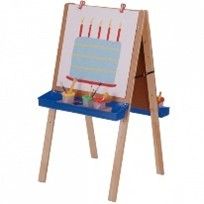
Steps: Provide adjustable easels or floor paper stations. Add varied tools (crayons, brushes, stamps, textured materials). Include visual choice boards so children select materials independently.
Extension: Rotate themes (nature, community places, emotions) to spark varied interests.

classroom examples

Interest Center Design

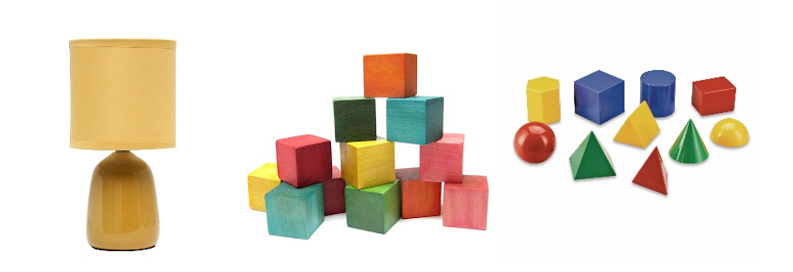
🏗️ Block & Construction Center Update

Goal: Support collaboration and spatial reasoning Steps:

  • Arrange blocks near tactile rugs or ground markings for space definition.
  • Offer diverse building materials (wood, foam, recycled materials).
  • Add graphic signage showing ideas (bridges, homes, towers).

Variation:

Introduce inclusive play props (figures with wheelchairs, animals, vehicles).


classroom examples

Interest Center Design

📚 Literacy Nook Integration

Goal: Encourage language and emergent reading
Steps:

  • Make cozy corners with pillows and books at child reach.
  • Label baskets with pictures and words.
  • Include audio books and story props for multi-modal engagement.


Additional Resources!

The Learning Lounge

Relax, Reflect & Reimagine

Did you know...?

"Self-compassion is simply giving the same kindness to ourselves that we would give to others." – Christopher Germer, promoting self-kindness. 
June Focus:

You Can’t Pour From an Empty Cup

Finding Calm at Rest Time: Using It as a Moment for Teacher Wellness and Reflection

Why it Matters....

✔️ Teacher wellness affects child development: Research shows that high stress and poor well-being in early childhood teachers is linked to less positive classroom interactions and lower quality care. 
✔️ Rest time is more than napping: Preschoolers may not always sleep, but resting the body and calming the mind contributes to emotional regulation and physical health.
✔️ Breaks reduce burnout risks: Regular moments of pause throughout the day—like rest time—allow teachers to reset emotionally, which supports resilience and long-term job satisfaction.
✔️ Mindfulness helps both adults and children: Intentional breathing and calm transitions can regulate stress responses for teachers and children alike.

Classroom Examples

Self care for Educators

Quiet Co-Regulation Moments
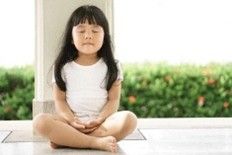
Before children settle, take two minutes for deep breaths. Invite children to take slow inhales and exhales together. This shared calm begins rest time with intention.
Teacher Tip: While children settle on mats, quietly reflect on one positive moment from the morning and one goal for the afternoon.
classroom examples

Self Care for Educators

Rest Time Reflection Journal
Keep a brief notebook or digital note titled Rest Reflections. After children are resting, write 3–5 sentences:
  • What went well?
  • What felt challenging?
  • What small wellness strategy helped you today?


This simple practice builds self-awareness and supports emotional well-being. 
classroom examples

Self care for Educators

Soothing Soundscapes
Create a playlist of soft instrumental music, nature sounds, or calm rhythms. Let it play quietly in the background. This supports a serene atmosphere for children and gives teachers a soothing soundscape for reflection.
classroom examples

Self care for Educators

Breathing and Stretch Break
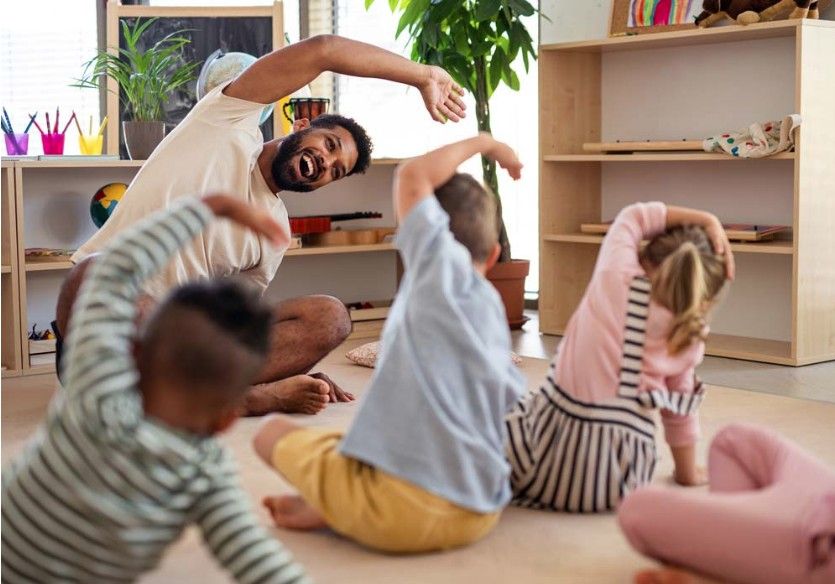
As children rest or quietly listen, stand or sit comfortably and do shoulder rolls or gentle neck stretches. This is a subtle way to release physical tension accumulated over the morning.
classroom examples

Self care for Educators

Quiet Planning Ritual

Use part of rest time (if classroom ratios allow) for calm planning or communication tasks. Block even 5–10 minutes for a centered task: respond to a quick email, write a gratitude note, or revise a future lesson.

Additional Resources!

The Learning Lounge

Relax, Reflect & Reimagine

Did you know...?

"What the hand does, the mind remembers." — Maria Montessori
May Focus:

Nature as the Third Teacher

Taking the Art Center Outside: Exploring Texture, Color, and Pattern in Nature

Why it Matters....

  • Research shows that a significant portion of the preschool day (up to 66%) involves activities requiring fine motor skills like writing, cutting, or drawing. 
  • Fine motor proficiency is linked to better early writing performance, as stronger manipulation skills allow children to focus on content instead of mechanics.  
  • Development of wrist stability, hand strength, and eye–hand coordination are early indicators of future success in tasks like writing and scissors use.
Classroom Examples

Fine Motor Activities

Fine Motor “Artistic Letters”
Materials: Model magic or play dough, letter templates, small beads and sticks
Goal: Children form letters using manipulatives — shaping, smoothing, decorating — combining writing and fine motor play.
Why it works: Integrates sensory input with symbolic representation, encouraging children to experiment without pressure.
classroom examples

Fine Motor Activities

Scissor Safari
Materials: Strips of paper with drawn animals/letters, child-safe scissors, collage supplies.
Goal: Cut along the lines, then glue cut pieces to create a classroom mural.
Celebrates: Every attempt is honored — neatness isn’t the goal, exploration is.
Classroom Examples

Fine Motor Activities

Daily Dressing Board
Materials: Velcro, buttons, buckles, zippers on a board
Goal: Practice manipulation and bilateral coordination through self-help skills.
Connection: Functional fine motor practice that supports classroom independence and confidence.

Additional Resources!

The Learning Lounge

Relax, Reflect & Reimagine

Did you know...?

“There must be provision for the child to have contact with nature; to understand and appreciate the order, the harmony, and the beauty in nature…” — Maria Montessori
April Focus:

Nature as the Third Teacher

Taking the Art Center Outside: Exploring Texture, Color, and Pattern in Nature

Why it Matters....

🌿 Children use all their senses when making art outdoors—touch, sight, smell, even sound and movement become part of creative expression.
🍁 Nature provides patterns and textures that change daily with weather, light, and seasons—offering a dynamic art environment unavailable indoors.
🎨 Nature art projects help integrate STEAM concepts: counting items in patterns increases math awareness, while sorting by texture or color builds early scientific observation skills. 

Classroom Examples

Nature Exploration

Texture Rubbing Walk

Objective: Explore texture and surface differences Materials: Clipboards, paper, crayons or chalk
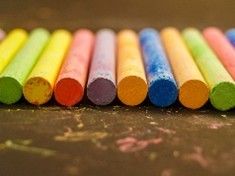
How to: Invite children to find a variety of natural surfaces (tree bark, leaves, stones) and make rubbings on paper with crayons laid on their sides. Discuss how the rubbing feels versus how it looks.
Developmental Benefits: Fine motor skills, vocabulary building (rough, smooth, bumpy, ridged), sensory processing.

classroom examples

Sensory Experiences

Color Treasure Hunt

Objective: Identify and sort colors in the natural world
Materials: Small baskets or trays, color cards (optional)
How to: Take small groups outside to collect items that match color cards you provide. Afterwards, compare and talk about the many shades of green, brown, yellow, or red found in nature.
Developmental Benefits: Color discrimination, language development, observation skills.

Classroom Examples

Sensory Experiences

Nature Pattern & Loose Parts Exploration

Objective: Create and recognize patterns
Materials: Natural loose parts such as sticks, leaves, seeds, stones
How to: Spread loose parts in an outdoor area. Invite children to build patterns (e.g., leaf-stone-leaf-stone). Ask questions like “What happens if we repeat this?” or “Can you make a pattern bigger?”
Developmental Benefits: Early math concepts (patterns, sequencing), creativity, collaboration.

Classroom Examples

Sensory Experiences

Found-Object Collages

Objective: Make art using real nature materials Materials: Paper, biodegradable glue (optional), natural finds
How to: After a nature walk, children arrange their collected items into a collage. Encourage them to talk about their choices (“I chose this leaf because it’s shiny and red”).
Developmental Benefits: Decision-making, expressive language, visual aesthetics.

Additional Resources!

The Learning Lounge

Relax, Reflect & Reimagine

Did you know...?

"The creation of something new is not accomplished by the intellect but by the play instinct." - Carl Jung
March Focus:

Child-Led Exploration=Meaningful Learning

Messy Play, Big Learning: Planning for Intentional Exploration in the Sensory Table


Why it Matters....

Sensory play strengthens neural connections: Materials that engage touch, sight, smell, and sound help integrate learning across brain regions, laying groundwork for future academic success. 
Open-ended, messy play supports self-regulation: Children persist, focus, and decide on actions without adult direction, building independence. 
Messy play enhances language skills: As children describe textures, actions, and sensations (“slimy,” “scoop,” “pour”), they expand vocabulary in meaningful, context-rich ways. 
Intentional sensory experiences support approaches to learning: Messy play aligns with goals in frameworks like Teaching Strategies GOLD® (curiosity, engagement, problem-solving).

Classroom Examples

Sensory Experiences

Mud Kitchen Sensory Table (Nature + Science)

Materials: Soil, water, old kitchen tools, pots, and pans
Learning Focus: Cause and effect, measurement language, social cooperation Children mix soil and water to create “mud pies,” using tools to measure and predict textures and structure. As they work together, offer open-ended questions like:
👉 “What happens when you add more water?”
👉 “Tell me about the texture you feel.”
Benefits: Sensory exploration supports observational language and collaborative problem-solving. TOP Montessoris

classroom examples

Sensory Experiences

Colored Rice Pouring Station

Materials: Colored rice, scoops, funnels, containers

Learning Focus: Volume, measurement, hand-eye coordination Invite children to fill, pour, and transfer rice between containers — building early math concepts and fine motor precision.

Tip: Rotate tools weekly to sustain engagement.

Classroom Examples

Library Center ideas

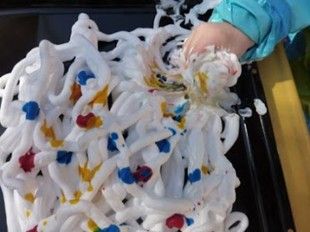
Shaving Cream Sensory Art

Materials: Shaving cream, paintbrushes, combs, color drops
Learning Focus: Creative expression, texture language, emotional exploration Children swirl colors and tools through shaving cream, describing patterns and exploring sensory feedback.
Strategy: Use this setup to support language development and emotional expression through metaphor (“This feels like clouds!”).

Additional Resources!

The Learning Lounge

Relax, Reflect & Reimagine

Did you know...?

“Books are sometimes windows, offering views of worlds that may be real or imagined, familiar or strange. These windows are also sliding glass doors… When lighting conditions are just right, however, a window can also be a mirror… Reading… becomes a means of self-affirmation, and readers often seek their mirrors in books.”
-
 Dr. Rudine Sims Bishop
February Focus:

Love, Respect, and Cultural Responsiveness

Books That Build Belonging: Reimagining the Library Center with Windows & Mirrors

Why it Matters....

Books that act as mirrors affirm children’s sense of self, while windows expand empathy and understanding — both dimensions together support strong relationship foundations.
Classroom Examples

Library Center ideas

Classroom Library Set-up- Design for accessibility and engagement

Diverse displays: Use shelf face-outs to highlight books that reflect the current classroom community.

Themed weeks/months:
Feature cultural heritage stories, families around the world, languages spoken by children in class.

Family book tags: Invite families to share their favorite books that represent their homes, languages, or traditions.

classroom examples

Library Center ideas

Intentional Book Selection- Reimagine your library center as a reflective, inviting, culturally responsive space.

Include books that represent family differences, cultures, abilities, home languages, and traditions Include books that represent multiple dimensions of diversity — race, ability, family structure, language, and more — not as extras, but as part of the center’s core offerings.


Mirror Books — Reflect Identity & Experience
1. The Snowy Day by Ezra Jack Keats (features an African American protagonist engaging in everyday play)
2. Brown is a Beautiful Color by Jean Carey Bond (celebrates skin tone and cultural pride) Wikipedia Your own local favorites (ask families for titles that reflect the children in your community)

Window Books — Expand Perspectives
1. Stellaluna by Janell Cannon — teaches acceptance of differences through friendship across species. 
2. It’s Okay to Be Different by Todd Parr — encourages celebrating diversity in all forms.


Classroom Examples

Library Center ideas

 Book-based activities to build belonging and learning experiences

Mirror & Window Conversations:
After reading a book, ask: “Did this book show someone like you?” (mirror) “What did you learn about someone different from you?” (window) b) Cultural Story Shares:
Invite families to bring a favorite story or share a book that reflects their culture or language during circle time.
Matching Books to Me Charts:
Create bulletin boards where children place a photo of themselves next to books they see themselves in.
Dramatic Play Storytelling:
Let children retell favorite books in dramatic play corners with props — fostering narrative competence and peer relationships.  
Buddy Reading Time:
Pair children of different backgrounds to read and share a book together to build empathy and cooperative engagement.

Additional Resources!

The Learning Lounge

Relax, Reflect & Reimagine

Did you know...?

“The greatest sign of success for a teacher… is to be able to say, ‘The children are now working as if I did not exist."
-
 Maria Montessori
January Focus:

Reset the Tone, Reignite the Joy

Science Discovery Reboot: Making Space for Curiosity in the Center


Why it Matters....

Science learning in early childhood starts with curiosity and simple investigations — observation, experimentation, and talk. These experiences support language, reasoning, and later achievement. Treating science as a way of thinking (not only a body of facts) helps infants and preschoolers practice asking questions, making predictions, and testing ideas — foundational cognitive habits.
classroom examples

Examples of Science Activities

“Tiny Weather Station”
Objective: Observe change over time, collect simple data, and practice vocabulary. Set-up: Outdoor thermometers, wind sock (made from streamers), rain gauge (clear container with measurement marks), weather chart.
Adult moves: Each morning, a child records the weather symbol and one observation (“The wind felt strong because…”). Use weekly data to ask: “Which day was warmest?” and graph results together.
Extension: Make predictions for tomorrow and test them; compare inside vs. outside temperature.
Classroom Examples

Examples of Science Activities

“Loose Parts Shadow Lab”
Objective: Explore cause/effect, light, and properties of materials. Set-up: Light source (lamp), white surface or wall, loose parts (blocks, fabric, plastic shapes).
Adult moves: Invite children to arrange objects and notice shadow size/shape; ask “What happens if we move the lamp closer?” or “Which material makes the darkest shadow?” Encourage sketching shadows. Extension: Photograph shadow changes and create a “shadow timeline” display for families.
Classroom Examples

Examples of Science Activities

“Plant Lab: Tiny Seed, Big Change”
Objective: Observe life cycle and practice measurement. Set-up: Clear cups with damp paper towels, beans or fast-sprouting seeds, magnifying lenses, ruler, daily observation chart.
Adult moves: Help children plant seeds, make daily observations, and measure growth. Use guide questions: “What changed since yesterday?” “What does the root look like?”
Extension: Compare planting in different light conditions to test variables.
classroom examples

Examples of Science Activities

“Sink or Float?"
Objective: Practice testing predictions and using observational language. Set-up: Water bin, varied materials (wood block, cork, plastic toy, coin, sponge, leaf), clipboards, pencils, picture cards.
Adult moves:
Invite children to predict by placing pictures in “sink” or “float” piles; let small groups test items, record results with drawings or stickers, prompt with “Why do you think that happened?” and “What could we try next?”
Extension:
Challenge: find something in the classroom that surprises the group — design a hypothesis and test it. Cite classroom chart results to measure patterns.

Additional Resources!

The Learning Lounge

Relax, Reflect & Reimagine

Did you know...?

“Writing promotes children’s phonological awareness, letter knowledge, and letter-sound knowledge.” — Stephanie L. Strachan & Nell K. Duke- McGraw Hill

As we move into the second half of the school year, it's a great time for preschool teachers and program directors to take stock and recalibrate the writing center. Supporting pre-writing through play isn’t just “free time” — it undergirds fine motor development, self-expression, emergent literacy, and children’s agency as writers.
December Focus:

Realigning Expectations for a Stronger Second Half

Refreshing the writing center: Encouraging pre-writing in playful ways.

Why it Matters....

Pre-writing (or emergent writing) is a reliable predictor of later literacy success. Children's early writing draws on many skills at one: fine motor control, visual perception, language, and social interaction. 
classroom examples

Examples of Writing Center Activities
Shaving Cream Tray Writing


Offer warm cues and brief, individualized attention during transitions — a calm adult voice or brief eye contact signals safety and belonging.

Model shapes first, invite children to copy, and narrate “I make a line like this … that feels wavy …”

Classroom Examples

Examples of Writing Center Activities
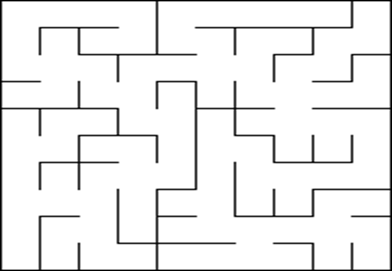
Maze or Path Tracing

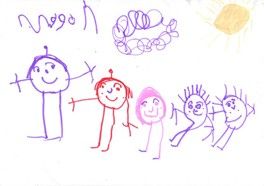
  • Provide large simple mazes (on paper or reusable boards) for children to trace with their finger or a crayon.
  • Encourage peers to draw new paths with washable markers and challenge others to trace them.
Classroom Examples

Examples of Writing Center Activities
Name Writing Reflection


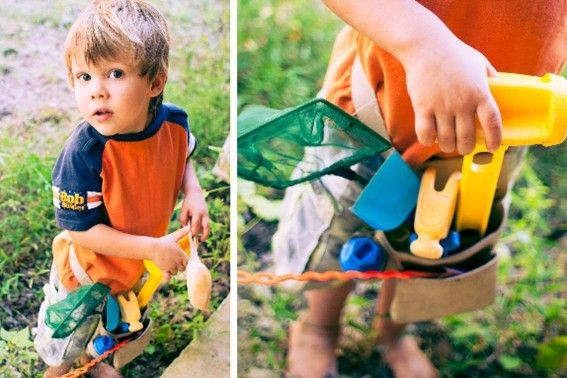
  • Encourage children to draw a picture and then tell a story about it. As they speak, you write down what they say (dictation). 
  • Then, invite them to “help you write” by pointing to letters, scribbling, or attempting to form parts of words.
classroom examples

Examples of Writing Center Activities

Tongs, Buttons & Daily Tasks
  • Integrate pre-writing strength building into daily routines: give children tongs to pick up small objects, buttons to fasten, and dirt to scoop. These tasks build fine motor control. 
  • Set up a “tool table” next to or as part of the writing center with these loose parts and small containers.

  • classroom examples

    Examples of Writing Center Activities

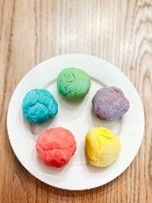
     Playdough Letter Mats

    • Supply playdough and laminated mats with shapes, lines, or letters printed on them.
    •  Children roll dough into snakes and form lines, curves, or letter shapes. This builds muscle strength and control.
    For added scaffolding, demonstrate rolling a “snake” and shaping it, talking about what you're doing (e.g., “I roll from my palm to my fingertips … now I curve to make an ‘S’”).

    Additional Resources!

    The Learning Lounge

    Relax, Reflect & Reimagine

    Did you know...?

    “Play is often talked about as if it were a relief from serious learning. But for children, play is serious learning.”
    - Fred Rogers

    Use that lens when you observe: what looks like “play” is information about cognition, language, self-regulation, social skills, and identity.


    November Focus:

    Pause. Observe. Grow

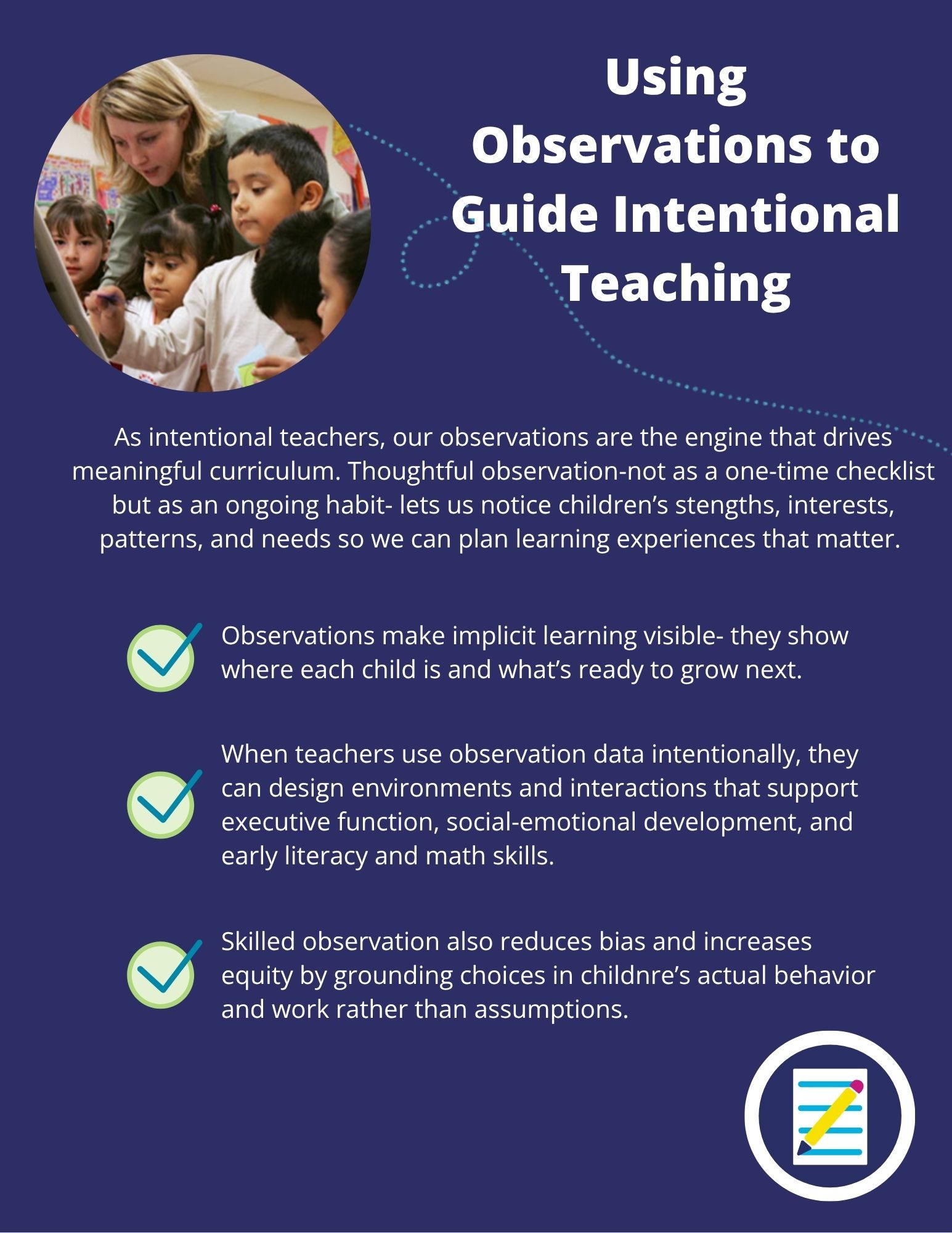
    Using Observations to Guide Intentional Teaching

    Why it Matters....

    classroom examples

    Math/Problem Solving: “Block Challenge”
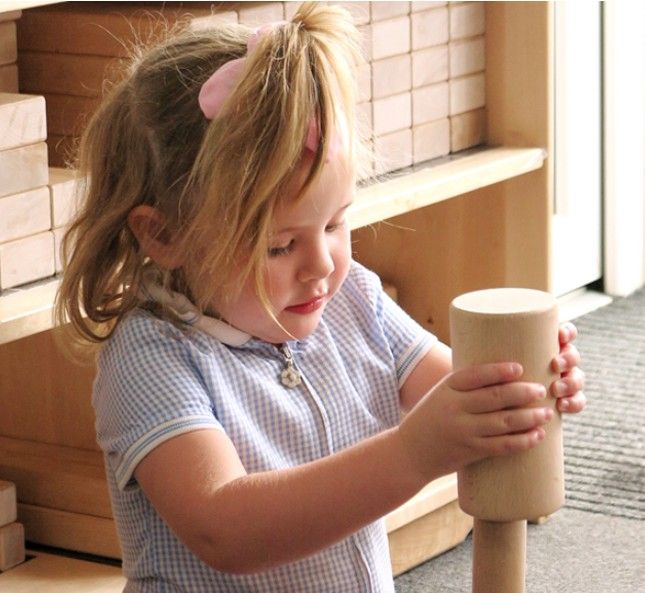
    Outcome goal: Child will try at least one new strategy after teacher modeling.

    Observation: 

    A child repeatedly stacks blocks very high and becomes frustrated when tower falls. (Running record excerpt)

    Interpretation:
    Child is experimenting with balance and
    persistence; needs vocabulary (taller/shorter, wider/narrower) and scaffolded attempts.

    Intentional Teaching:
    Introduce a block challenge provocation with measuring tapes and labels (“How many blocks tall?”). Offer choices for wider base strategies and invite peer problem-solving.
    classroom examples

    Social-Emotional: “Peace Place” intervention

    Outcome goal: 
    Children will use transition cues to prepare for changes in daily schedule.

    Observation:
     
    Conflict incidents escalate during transitions (noticing pattern across several event samples).

    Interpretation: 
    Transitions are a weak spot; children need predictable cues and brief calming strategies.

    Intentional Teaching:
    Create a “Peace Place” with two-minute breathing practice, transition songs, and a visual schedule. Teach and practice with the whole group. Use time sampling next week to see if conflicts decrease.
    classroom examples

    Literacy: “Story Builders”

    Outcome goal: 
    Children will use at least two feeling words during retell.

    Observation:

    Several children retell the same book sequence using toy figures but skip character feelings. (Anecdotal note)

    Interpretation:
    Children remember plot but need language for emotions and perspective-taking.


    Intentional Teaching:
    Run a 10–12 min small-group “Story Builders” where children move figures and name feelings using simple prompting (“How does she feel now?”). Provide emotion cards and sentence stems. Re-observe next day for increased emotional language.

    Additional Resources!

    The Learning Lounge

    Relax, Reflect & Reimagine

    Did you know...?

    “This is why children do not ‘learn’ to calm or self‐regulate. Children become capable of calming and self‐regulation through consistent experiences of having been calmed by their caring adults.”
    — Vanessa Lapointe, Discipline Without Damage
    October Focus:

    Consistency = Calm

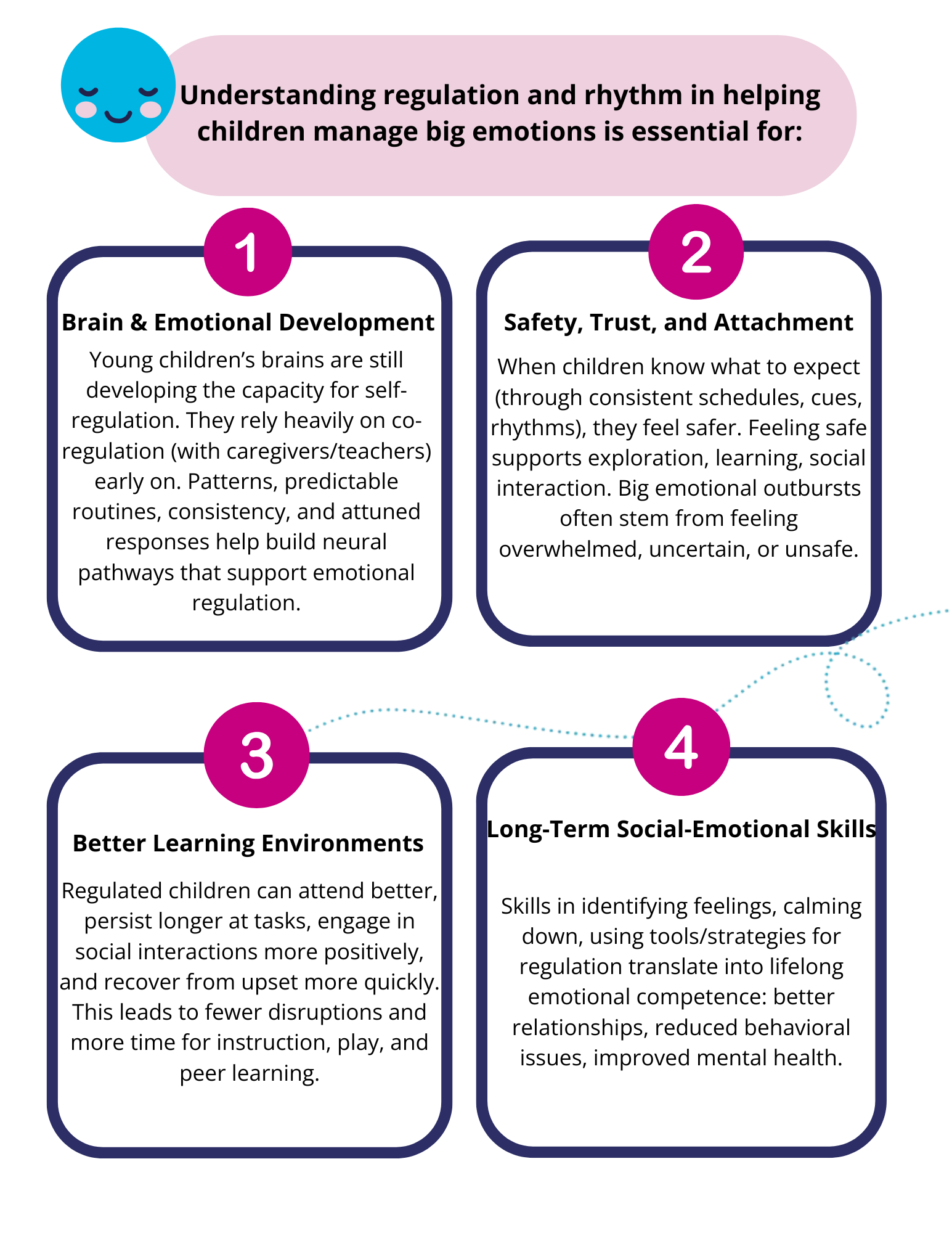
    Helping Children Manage Big Emotions in Little Bodies

    Why it Matters....

    classroom examples

    Regulation and Rhythm Strategies

    Emotion labeling & coaching

    Helps children learn to recognize emotion signals in themselves, which is crucial first step in regulation. 


    Strategy Tip
    When a child shows emotion, “I see you’re feeling ___.”

    Ask: “What happened? How is your body feeling?”

    Reflect back.
    Teach vocabulary: frustration, disappointment, excitement, etc.

    classroom examples

    Regulation and Rhythm Strategies

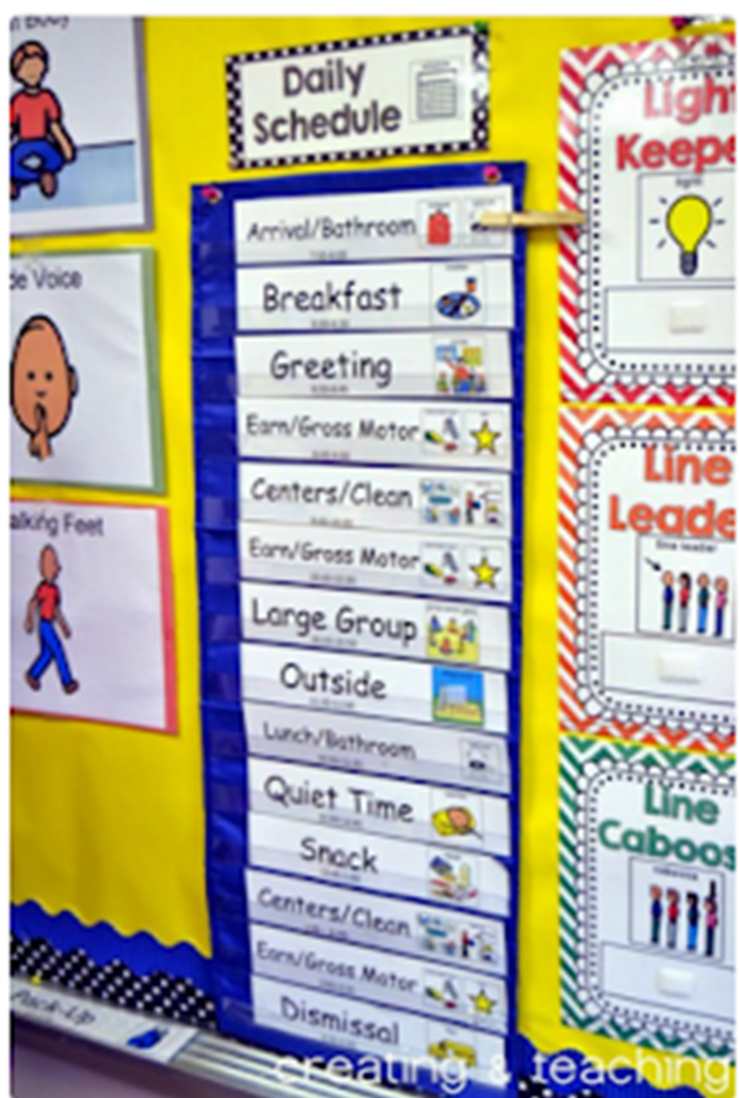
    Predictable Schedule & Rituals 
    Strategy Tip
    • Use consistent arrival routines, transitions songs, snack time, rest, circle time.
    • Visual schedule posted and referenced.
    • Teachers give countdowns (“in 5 minutes we’ll clean up”).
    • Predictability reduces uncertainty.

    • Transitions are often triggers for big emotions; rhythm + cues can help buffer.
    Classroom Examples

    Regulation and Rhythm Strategies

    Rhythmic regulation tools
    Rhythm helps engage the lower brain regulation systems. Physical rhythm + auditory rhythm can calm.

    Strategy Tip
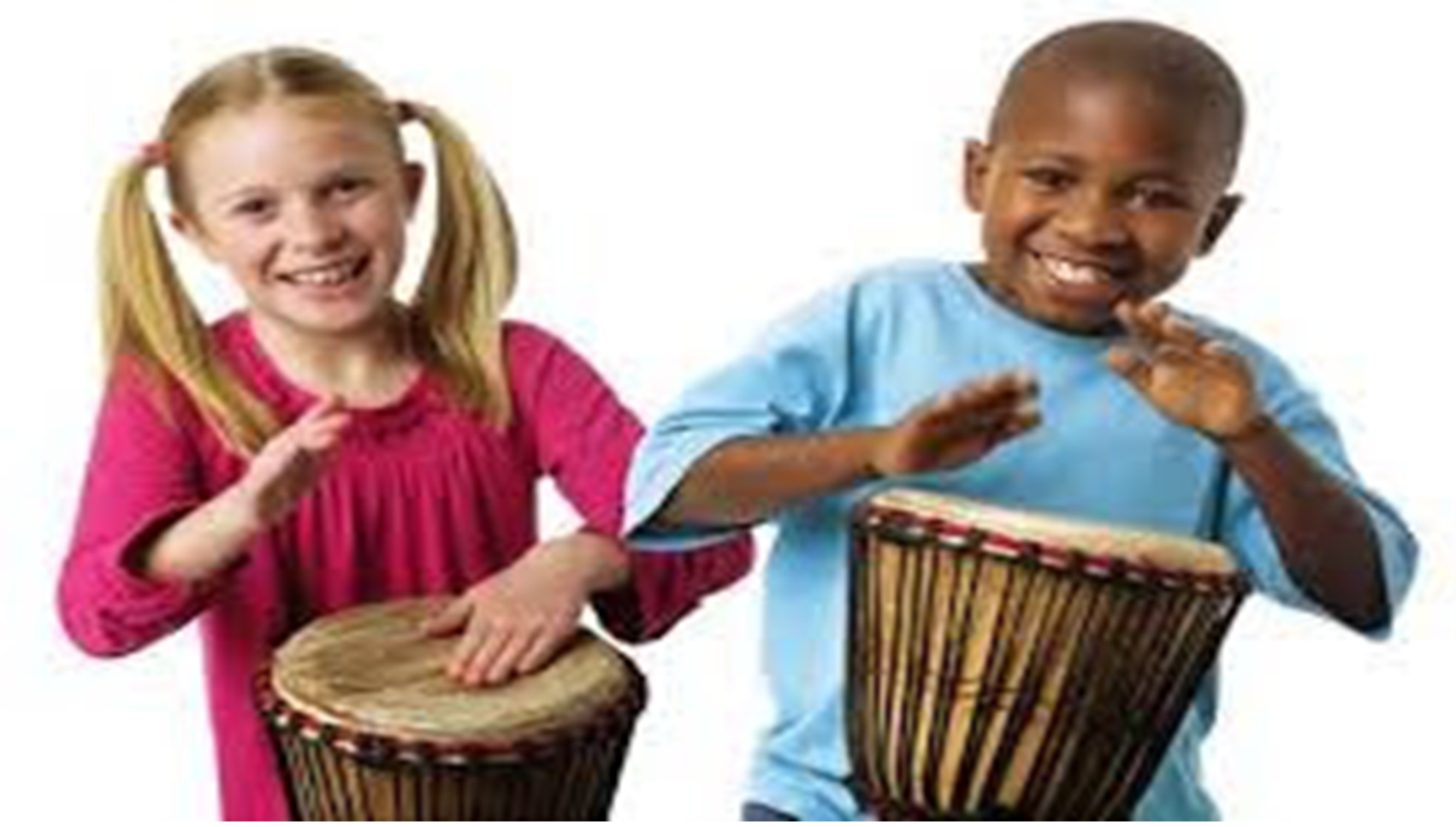
    Use songs with steady beats, chants, clapping, drums, movement routines. Use breathing songs (“take a deep breath in… out…”) or a transition song to signal calming down. Use consistent cues.

    Write your awesome label here.
    Classroom Examples

    Regulation and Rhythm Strategies

    Calming corner / cozy space

    Gives them a place to pause, calm down. Helps with self-regulation and gives tools when needed.


    Strategy Tip
    A designated area with soft pillows, calming visuals, dim light, maybe soft music, emotion cards, sensory toys. Teach children this is a safe space to go when emotions feel big.
    Classroom Examples

    Regulation and Rhythm Strategies

    Practice regulation strategies in low-stress times
    Rhythm helps engage the lower brain regulation systems. Physical rhythm + auditory rhythm can calm.
    Strategy Tip

    Teach and rehearse calming tools when children are calm: deep breathing, counting, “bubble breath,” guided imagery. Role-play situations (e.g. someone takes your toy) to practice responses.


    Write your awesome label here.
    classroom examples

    Regulation and Rhythm Strategies

    Model calm & co-regulation

    Children learn by example.
    Co-regulation strengthens regulation skills.

    Strategy Tip

    Teachers consciously model breathing, naming their feelings, showing calm in own body/language. When child is upset, the adult helps (e.g. “Let’s take a deep breath together”) rather than dismissing.


    Write your awesome label here.

    Additional Resources!

    The Learning Lounge

    Relax, Reflect & Reimagine

    Did you know...?

    "Every moment is an opportunity for learning—especially the ones in between."
    — Sue Bredekamp, early childhood education author and former NAEYC Director of Professional Development.
    Bredekamp often emphasizes that the “in-between” times are not wasted minutes but can be intentionally planned as rich learning opportunities when teachers use developmentally appropriate practice.
    September Focus:

    Relationships First = Learning Follows

    DAP in Transitions: Moving Between Activities Without Chaos or Confusion

    Why it Matters....

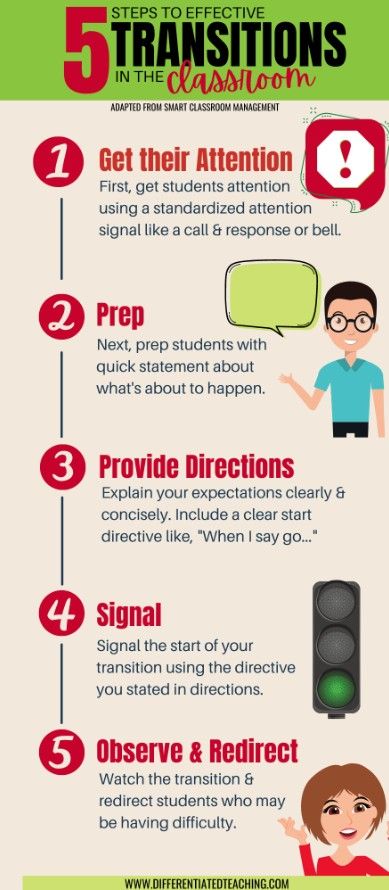
    Transitions are teaching moments, not just “time between activities.” When planned with developmentally appropriate practice (DAP), transitions support children’s sense of safety, self-regulation, language, and social skills — because predictable cues + warm relationships = children who know what comes next and can move through the day calmly. 
    classroom examples

    Examples of Guiding DAP principles for transitions

    Relationships first
    Offer warm cues and brief, individualized attention during transitions — a calm adult voice or brief eye contact signals safety and belonging.
    Strategy Tip
    If a child has a disability or developmental delay, you may find that they don’t connect in the ways you’re accustomed to.
    Speak to the family about their child’s ability and methods of interactions. Observe how the child reaches out for connection and try to respond to those cues.

    Resource from Zero to Three.
    Classroom Examples

    Examples of Guiding DAP Principles for Transitions
    Keep it developmentally appropriate
    Care must be taken to determine if strategies are culturally, linguistically, and individually appropriate for the children in your care. 

    Strategy Tip
    Match warnings and cues to children’s language & attention levels (visual timers for young 3s, short songs for 4–5s).

    Resource from Center on the Social and Emotional Foundations for Early Learning
    Classroom Examples

    Examples of Guiding DAP Principles for Transitions

    Use transitions as teachable moments 
    Quick mini-lessons for turn-taking, self-calming, following directions, or counting can be embedded in transitions. 
    Strategy Tip
    Have a transition toolkit (songs, visual cues, games, props) and rotate strategies so they stay fresh and matched to the group.
    Click the button below to view more transition songs from Teaching Mama. 
    Resources from HighScope & Teaching Mama.
    Article to Read

    Planning your time with children

    What it's About
    This article connects directly to DAP planning for transitions and offers classroom examples you can adapt.
    Why it's Useful
    This article provides practical guidance on routines, predictable transitions, and using transitions as learning moments
    Read the article below to view more transition strategies 
    Resource from Penn State Extension: Better Kid Care
    classroom examples

    Examples of Guiding DAP Principles for Transitions

    Predictability + Choice
    Post the daily routine visually; give warnings and a small choice (e.g., “You can bring one book to the carpet or put one away”). 
    Predictability reduces anxiety. 
    Strategy Tip
    Mini-schedules posted near transition locations provide visual prompts for the next transition or schedule change. For instance, picture cues near the front door might contain photos of a coat, hat, and boots to prompt a child to get ready to go outside.

    Resource from NAEYC (National Association of Education for Young Children)

    Additional Resources!

    The Learning Lounge

    Relax, Reflect & Reimagine

    Did you know...?

    "Relationships are the foundation of everything we do with young children. Without relationship, there is no trust, and without trust, there is no learning."
    -Dr. Becky Bailey, early childhood educator and creator of Conscious Discipline
    August Focus:

    A Welcoming Environment = A Foundation for Learning

    Creating Spaces that Speak Safety, Belonging, & Joy

    Why it Matters....

    Children are more likely to engage, explore, and learn when they feel safe, seen, and valued. A welcoming classroom isn’t just about decorations—it’s about relationships, routines, and responsiveness. Research in early childhood consistently shows that emotionally supportive environments boost school readiness, social-emotional development, and early literacy and numeracy skills.
    classroom examples

    Practical Ways to Create Relationship-Building Spaces

    Family Photo Wall
    Display images of each child’s family at their eye level
    Put the infant family pictures on the floor.
    cover with clear contact paper to last longer.
    Why it Works
    Helps children feel connected and reminds them they belong

    Invite families to send in pictures during the first week of school.

    Resource from Teaching Strategies.
    Classroom Examples

    Practical Ways to Create Relationship-Building Spaces

    Use Clear, Predictable Visual Supports
    Post daily picture schedules at children's eye-level.
    For infant rooms: place on the tile floor- cover with clear contact paper. 
    Take pictures of children modeling the center or the activity.
    Why it works
    Visual schedules, classroom maps, & picture cues reduce anxiety and help children anticipate what's coming next. 
    It provides predictability, which supports emotional safety. 

    Resource from ECLKC (Head Start Early Childhood Learning & Knowledge Center. 
    Classroom Examples

    Practical Ways to Create Relationship-Building Spaces

    Emotionally Responsive Routines
    Use a "Greeting Choice Board" at the door or while you transition to circle to offer predictable, respectful contact.
    Why it Works
    Routines that include greetings, choices, and calm transitions help children regulate emotions and build security. 

    Resource from Conscious Discipline.
    Classroom Examples

    Practical Ways to Create Relationship-Building Spaces

    Soft Welcoming Spaces
    Place cozy rugs, pillows, & child-sized furniture in the room. 
    Reserve a small quiet area in the room as a "Safe Space" for those big emotions!
    Why it Works
    Reduces anxiety and invites children to see into the day. 
    By providing a set "Safe Space" for children to go when they feel overwhelmed allows them to begin to identify and regulate their emotions.
    Resource from Ready, Set, Teach!
    classroom examples

    Practical Ways to Create Relationship-Building Spaces

    Use Inclusive Materials
    Representation matters!
    Books, dolls, labels & visuals all reflect classroom diversity.
    Put posters at children's eye-level.
    Have families bring in items for Dramatic Play. 
    Why it Works
    Diverse books, toys, & images help children feel valued and expose them to differences in meaningful, respectful ways. 
    It can strengthen their identity and deepen their trust with caregivers. 

    Resource from NAEYC (National Association of Education for Young Children)

    Additional Resources!

    NEW!

    IECP Discussion Board

    Share your thoughts on this month's topic and feel free to include personal experiences or questions to spark conversation. 

    After posting, read through your peers' responses & reply to at least one post to keep the discussion going and build connections!
    Pause. Observe. Grow.
    Answer one of the following questions:

    1. What methods do you use to observe the children in your class?

    2. How do the outcomes of your observations guide your teaching?